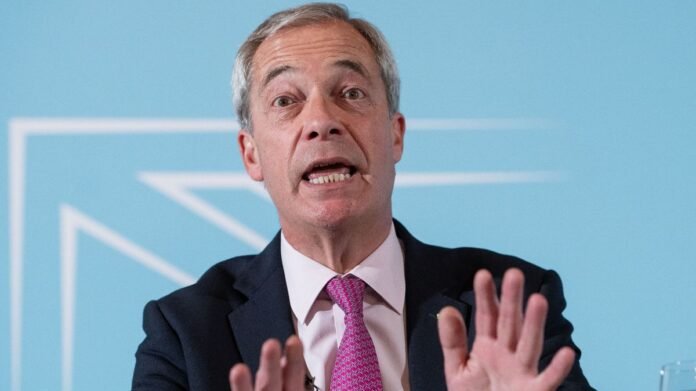
Reform UK’s proposal to eliminate the Personal Independence Payment (PIP) for individuals with anxiety has been criticized as cruel and heartless. The party, led by Nigel Farage, announced plans to discontinue PIP for those with “non-serious anxiety disorders” and implement more frequent assessments for eligible recipients.
This initiative is part of a broader effort to revamp the welfare system, including transitioning all assessments to face-to-face interactions and introducing a “fast track to work” program for those losing their benefits. Despite claims made during a press conference that all assessments would be conducted in person, the party’s policy document revealed that only a majority of assessments are actually face-to-face.
Zia Yusuf, the party’s policy head, has pledged significant cuts to benefits, aiming to save £9 billion annually by 2029. While Reform UK stated they would only target “non-serious” anxiety disorders, they failed to clarify the criteria when pressed by journalists at the conference.
Critics, including Labour MP Jon Trickett and representatives from mental health and disability charities, have condemned the proposal, highlighting the vital importance of PIP for those in need. They argue that reducing support for individuals struggling with mental health issues could worsen their conditions and strain other support services.
Advocates emphasize the necessity of a compassionate approach towards benefit recipients and caution against the potential negative impact of removing crucial support systems. The party’s welfare spokesman, Lee Anderson, advocated for a return to work as the best solution for individuals in need, drawing on his own experiences.
In response to the backlash, the government has assigned a review of PIP to disabilities minister Sir Stephen Timms, with the findings expected in autumn 2026. The controversy surrounding Reform UK’s proposal comes after Labour faced criticism earlier in the year for similar attempts to restrict PIP eligibility.