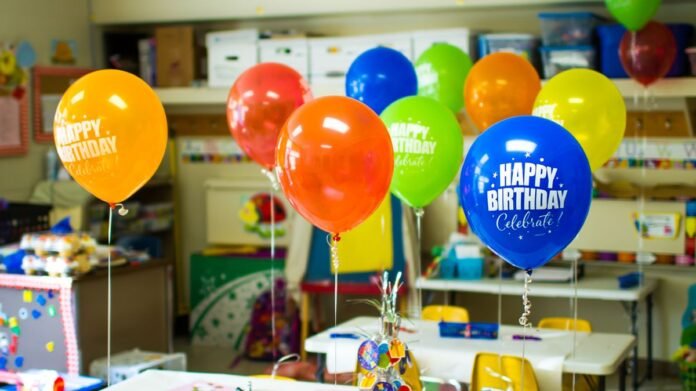
Online retailers like Debenhams and eBay are selling party balloons that contain dangerous levels of cancer-causing chemicals, a recent investigation has found.
Tests conducted by consumer group Which? revealed that some balloons being sold on these platforms exceeded the permitted limits of carcinogenic chemicals by up to six times. These chemicals pose a risk when they come into contact with the skin or are inhaled while blowing up the balloons.
Which? purchased 21 packs of latex balloons from various online marketplaces and subjected them to British standard tests. Out of these, eight packs were found to contain concentrations of potentially carcinogenic chemicals well above the legal limit in the UK, making their sale illegal.
One balloon bought from AliExpress, a Chinese online platform gaining popularity in the UK, had over six times the permissible level of nitrosamines, which are considered probable carcinogens. Similarly, balloons from eBay and The Range, also available at Wilko, were found to have more than four times the safe limit of nitrosamines. Additionally, a balloon purchased from Debenhams contained more than double the legal amount of nitrosatable substances, which can turn into nitrosamines upon contact with saliva.
In a concerning incident, a couple purchased balloons from Amazon’s Marketplace for their child’s birthday, only to receive a notification a year later warning about the high levels of cancer-causing chemicals in the balloons. Despite containing at least 25 times the legal limit of these harmful substances, the balloons were sold without any prior disclosure of the health risks they posed.
Children are particularly vulnerable to these chemicals due to their developing bodies, which are less equipped to detoxify the harmful compounds. Natalie Hitchins, a parent who bought balloons from Shein for her son’s birthday, experienced adverse effects like numb lips and dizziness due to the strong chemical smell emitted by the balloons. Subsequent tests by Which? confirmed that these balloons contained more than double the permitted level of nitrosamines.
Expressing outrage over the findings, Sue Davies, head of consumer protection policy at Which?, emphasized the need for stringent safety checks to prevent children from being exposed to dangerous levels of carcinogens through seemingly harmless products like party balloons.
Which? recommends consumers to opt for balloons with a CE/UKCA mark, indicating compliance with health, safety, and environmental standards. They also advise using a pump to inflate balloons to avoid contact with the mouth and suggest that adults should inflate balloons for children under the age of eight.
The companies implicated in the tests have affirmed their commitment to customer safety. They have taken immediate actions to remove the hazardous balloons from their platforms upon notification by Which?.
While the issue of contaminated balloons raises concerns, it underscores the importance of stringent safety regulations to protect consumers from potentially harmful products.