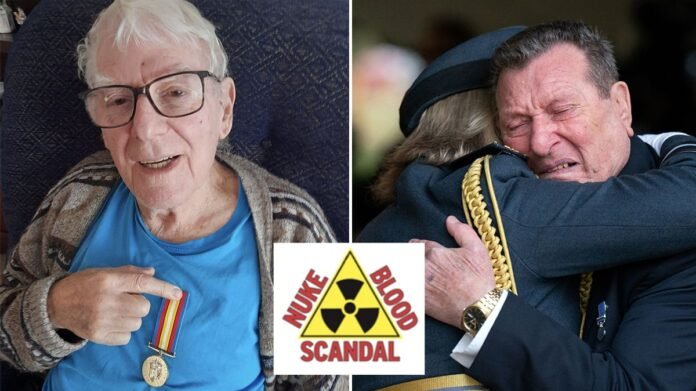
In 2006, a phone call sparked a mission for justice as Craig Prescott shared his father Roy’s story. Roy, a participant in nuclear weapons testing, passed away without a war pension due to the Ministry of Defence’s denial of responsibility. This led Craig to advocate for his father, eventually securing a pension for his mother. The issue at hand was the disparity between British and American treatment of troops involved in the tests, with the latter consistently compensating their veterans.
Veterans’ concerns regarding health issues post-testing gained momentum since the 1980s, as highlighted by investigative efforts from journalists like Paul Foot and Richard Stott. The plight of over 40,000 personnel, including Roy, who faced various health complications, resonated strongly within the community. Subsequent research revealed alarming genetic damage among test veterans, akin to Chernobyl clean-up workers.
Legal battles ensued, culminating in a Supreme Court decision that deemed the veterans’ claim outside the statute of limitations. Despite setbacks, the veterans persisted, unearthing new evidence and pushing for recognition in the form of a medal. The Mirror’s support bolstered their cause, leading to a significant breakthrough when the medal announcement was made by Rishi Sunak.
While the medal brought a sense of validation, its delivery in a nondescript manner led to disappointment among some veterans. The campaign for recognition revitalized the veteran community, unveiling previously undisclosed documents that shed light on the extent of the nuclear testing fallout. This revelation sparked the Nuked Blood Scandal, triggering a series of inquiries, reviews, and a surge in public awareness.
As the fight for justice continues, the legacy of those impacted by the nuclear tests remains a poignant reminder of the enduring quest for accountability.