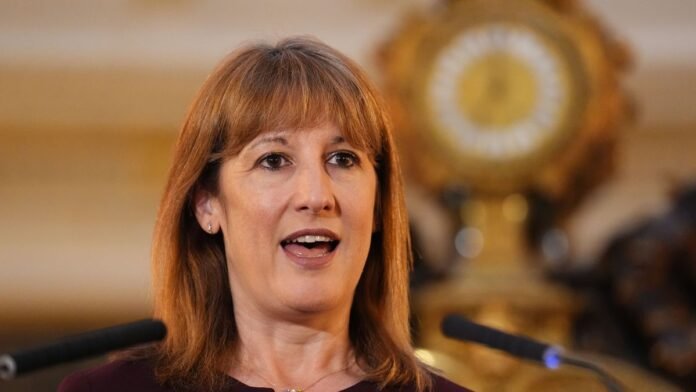
Rachel Reeves is under pressure to focus on the wealthiest individuals in the upcoming Budget, following a study that revealed a significant increase in the wealth gap between the richest and poorest segments of the UK population.
According to analysts, the growing wealth inequality poses substantial risks to society, including social unrest, challenges in addressing climate change, economic stagnation, and potential threats to democracy.
The Fairness Foundation’s recent report highlighted a 54% expansion in the wealth disparity between the top and bottom 10% of Britons from 2011 to 2021, primarily driven by the escalating value of assets like property. Inheritance and gifts have also doubled over the past 20 years, reaching £100 billion, with projections indicating another twofold increase by 2040. The wealthiest 10% consistently hold more than half of the nation’s total wealth.
In contrast, the poorest 10% of households have a combined net worth, including work pensions, vehicles, household items, financial assets, and housing wealth, of £15,400 or less.
Will Snell of the Fairness Foundation emphasized the urgent need for decisive action, proposing effective taxation of wealth to redistribute it more equitably across the economy. This move is seen as critical in combating the detrimental levels of wealth inequality prevalent in today’s society and in fostering a more inclusive social contract.
Meanwhile, discussions around the Budget have indicated that the Chancellor is contemplating both tax increases and spending cuts to navigate a potential £22 billion deficit. Rachel Reeves has hinted at targeting the wealthiest individuals in the Budget, stressing the importance of fair contributions from those who can afford it. However, she appears hesitant to implement a dedicated wealth tax.
During a visit to Saudi Arabia, Reeves emphasized the significance of economic growth in the Budget narrative, highlighting the need to prioritize fiscal policy tools that promote growth. She also underscored the importance of tax and spending strategies to enhance economic resilience and ensure adherence to fiscal regulations.
The Labour Party had pledged in its manifesto to shield working individuals from heightened national insurance, VAT, and income tax rates. Yet, there is speculation surrounding the possibility of a deviation from this commitment, particularly in relation to income tax adjustments. Reeves maintained a stance of supporting the working population by striving to keep tax burdens at a minimum.
Overall, the call for addressing wealth disparity and implementing effective fiscal policies remains at the forefront of the upcoming Budget discussions, as policymakers navigate the economic challenges ahead.