In the realm of football, statistics have often been deemed a dubious tool for predicting outcomes. The ongoing international break has provided ample time for avid Premier League followers to delve into the data and trends emerging from the first 11 games of the season.
A historical analysis reveals that in 16 out of 33 seasons, the team leading the league after 11 matches has clinched the title. Conversely, on 17 occasions, the initial front-runner failed to secure the ultimate prize. Interestingly, Arsenal stands out as the culprit in five instances of faltering from a leading position, including the latest season where they missed out on the championship.
Currently, Arsenal commands a four-point advantage over reigning champions Manchester City, reminiscent of their past lead in the 2022/23 season. While these statistics may not dictate the season’s outcome conclusively, they underscore the unpredictability of success in the Premier League.
Notably, teams have managed to overcome deficits at this stage, with the largest being eight points, a feat achieved only twice in history. This indicates that the race for the title remains open, with even teams currently on 18 points still in contention, including Manchester United.
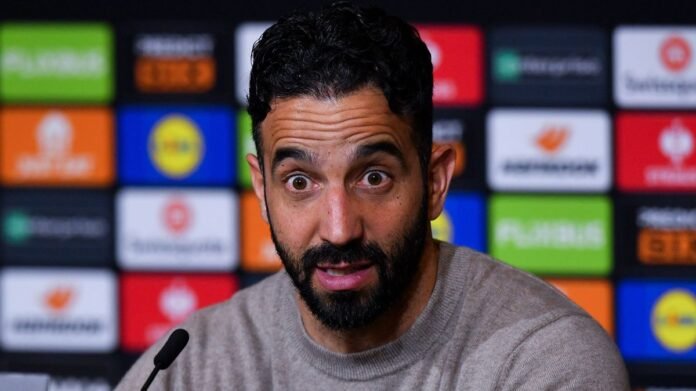
Manchester United, under the guidance of Ruben Amorim, now faces a favorable fixture list with ten consecutive Premier League games ahead. Despite their lack of European engagements, challenges lie in the form of upcoming matches against various opponents, including Wolves, Aston Villa, and Leeds.
The team’s recent form, marked by a belief in the manager’s tactics and a newfound winning mentality, signals a potential resurgence. While bookmakers place United at odds of 33-1 to 50-1 for the title, history has shown that overcoming deficits is not impossible, as exemplified by Manchester United in the 2002/23 season.
As United’s journey unfolds, the narrative of potential triumph amidst statistical odds adds an intriguing layer to the unfolding Premier League season.

