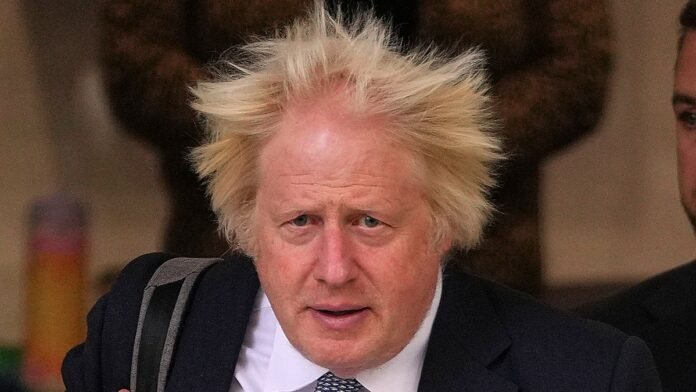
Boris Johnson’s current image contrasts sharply with his previous lively persona as the Covid-19 pandemic unfolded. Initially seen as a charismatic Prime Minister with a casual approach, his lack of attention to detail was overlooked, giving him a relatable charm.
During a recent session at the Covid-19 Inquiry, it became more evident that Johnson’s leadership may have been ill-suited for the crisis. Admitting a slow realization of the severity of Covid-19’s impact on his government, particularly regarding the delayed preparations for school closures and remote learning, Johnson faced relentless questioning from Clair Dobbin KC, known for her incisive cross-examination skills.
Research indicates that the abrupt closure of schools in March 2020 disproportionately affected children in vulnerable situations without necessary resources or support. The inquiry revealed a lack of prior planning for remote learning, highlighting the government’s delayed response to the crisis.
Johnson’s physical appearance has also changed, with a noticeable decrease in vitality and a more fatigued demeanor. His struggle to recall key details during questioning further emphasized his diminished stature, drawing critical reactions from observers and the public.
Despite Johnson’s early arrival at the inquiry venue, attempting to avoid public confrontation, he could not evade the anger and accusations directed at him upon leaving. Criticisms focused on the government’s handling of school reopenings, with some children reportedly suffering long-term health consequences due to Covid-19 exposure.
The final verdict on Johnson’s government from Chair Baroness Heather Hallett is pending, but public opinion, especially among those directly impacted by the pandemic, has already formed negative perceptions.

