Households in the UK are expected to face the highest inflation rates among the world’s seven largest economies this year and next, according to the International Monetary Fund. The IMF has revised its forecasts, indicating a more significant increase in prices in the UK than previously anticipated. This development raises concerns about the possibility of a Bank of England rate cut in the near future, impacting borrowers but benefiting savers.
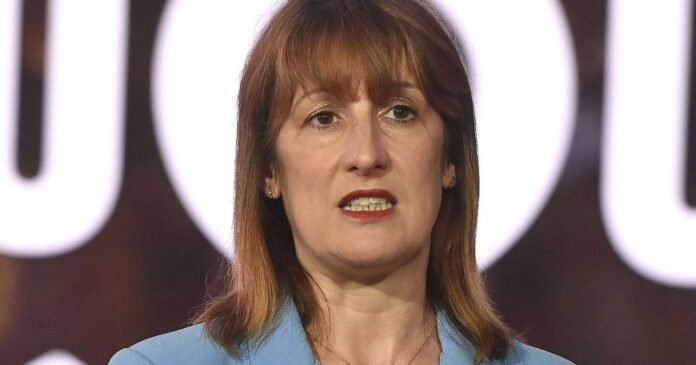
While the IMF has raised its economic growth forecast for the UK for this year, it has lowered the estimate for next year due to worries about the job market. This adjustment poses a challenge for Chancellor Rachel Reeves and the Labour Party, especially ahead of the upcoming Budget. The latest update was announced during a gathering of prominent politicians and central bank officials in Washington DC.
Recent data from the Office for National Statistics revealed that inflation stood at 3.8% in both July and August, reaching its highest levels since January 2024. The IMF now projects UK inflation to average 3.4% in 2025, up from its earlier prediction of 3.2%. Despite an expected slowdown to 2.5% next year, this figure remains higher than the initial forecast of 2.3%.
The UK is poised to experience the highest inflation rates among the G7 advanced economies over the next two years, including Canada, France, Germany, Italy, Japan, and the US. This situation presents a dilemma for the Bank of England as it strives to bring inflation back to its 2% target rate.
Pierre-Olivier Gourinchas, the IMF’s chief economist, attributed the inflation drivers to temporary factors such as increased water bills and transport costs. While expecting these factors to ease, he highlighted potential risks from rising labor costs and inflation expectations. Additionally, the UK economy is forecasted to grow by 1.3% this year, a slight improvement from the previous estimate, but the growth prediction for next year has been revised down to 1.3% due to global trade pressures impacting various economies.
The IMF’s report upgraded global growth for this year from 3% to 3.2%, indicating better-than-expected resilience in many economies facing tariff pressures. Chancellor Rachel Reeves emphasized the positive growth outlook for the UK, highlighting the country’s leading position in economic growth within the G7 in the first half of the year.
Investment experts like Russ Mould noted the UK’s inflation challenges, which could hinder the Bank of England’s ability to adjust interest rates. With inflation figures exceeding the central bank’s comfort zone, there may be reluctance to lower rates, potentially affecting consumer and business confidence. The delicate balance between managing inflation and addressing a fragile job market puts the Bank of England in a challenging position.

