As the U.S. midterm elections draw near, Ohio, Maine, and Texas are emerging as pivotal states to monitor in what is shaping up to be a closely contested race.
Maine’s election has implications that extend beyond its borders due to its close ties with Canada. The state shares deep economic and cultural connections with New Brunswick and Quebec, making the impact of U.S. tariffs on Canadian goods a contentious issue for Maine businesses.
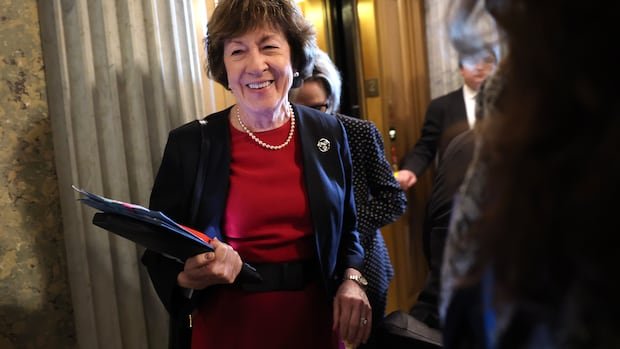
Incumbent Republican Senator Susan Collins, who has served since 1997 and is seeking a sixth term, faces a challenge from Democrat Troy Jackson in Maine.
The contest in Maine, along with developments in Ohio and Texas, could provide insights into the broader national political landscape. Collins’ relationship with U.S. President Donald Trump is also under scrutiny in this election.
The historical friendship and economic interdependence between Maine and Canada are significant factors influencing the midterm elections. The state’s reliance on trade with Canada and shared cultural heritage with provinces like New Brunswick and Quebec play a crucial role.
While Collins has a long history in the Senate and a consistent voting record, her challenger, Troy Jackson, comes from a logging background and faces the challenge of a late entry into the race. Despite the close numbers in the polls, Collins has managed to maintain her popularity.
Collins’ efforts to distance herself from Trump are driven by the impact of tariffs and rising oil prices on Maine’s industries and tourism sector. The state’s dependence on oil for heating, combined with the effects of trade policies, has created challenges for Collins in aligning with the administration’s decisions.
The shifting dynamics in Maine’s political landscape reflect broader trends in the country, with unexpected outcomes and close races. Collins’ success in previous elections despite trailing in polls demonstrates the unpredictable nature of Maine politics.
The debates in Maine have highlighted key issues such as tariffs and their impact on goods, with Collins advocating for certain exemptions. However, her opponent, Troy Jackson, has raised concerns about the broader economic implications beyond specific exemptions like road salt. These moments in the debate have resonated with voters and added to the competitive nature of the race.


