Amid the approaching U.S. 50% tariff deadline, concerns are mounting among some businesses in British Columbia about the potential negative impacts on their financial performance.
Blaine Maryniuk, the co-founder of West Coast Walls, expressed that the situation poses a significant threat to his business. West Coast Walls, which specializes in manufacturing wallpaper, stickers, and decals, sees a substantial portion of its sales, ranging from 25% to 50%, directed towards the United States monthly. Maryniuk emphasized the daily worry this issue brings.
With the tariff deadline on the horizon, Prime Minister Mark Carney described the ongoing negotiations with the U.S. as “delicate” and “intense.”
In a bid to avoid the impending Section 338 tariffs and reduce existing Section 232 tariffs on industrial goods like steel, aluminum, autos, and lumber, Canada-U.S. Trade Minister Dominic LeBlanc and chief trade negotiator Janice Charette engaged in discussions with U.S. Trade Representative Jamieson Greer over the past three weeks. The U.S. claims that these tariffs are in response to alleged Canadian discrimination against its automobile, dairy, and alcohol sectors.
The latest proposed levies specifically target wood products, placing British Columbia in a vulnerable position. Kelly Marciniw, a board member of the B.C. Log & Timber Building Industry Association, expressed concerns about potential job cuts and business survival, citing the additional administrative burden and uncertainties associated with tariffs.
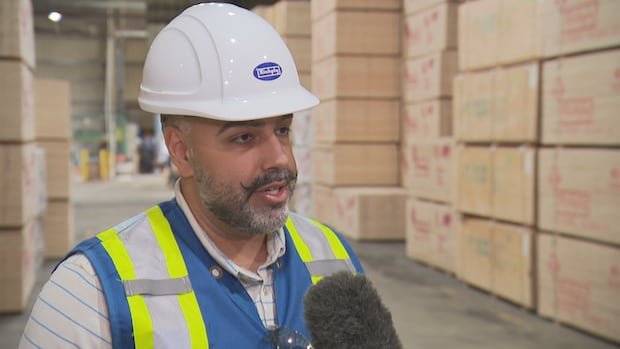
Richmond Plywood’s Chief Financial Officer, Bhavjeet Thandi, underscored the anxiety within the company regarding the potential consequences of the tariffs. Thandi highlighted that if the tariffs are implemented, Richmond Plywood’s sales to the U.S. would be severely impacted, as approximately 20% of their products are exported to the U.S.
Alex Mitchell, CEO of the Abbotsford Chamber of Commerce, noted that over 300 businesses in Abbotsford export to the United States, with annual exports amounting to around $1.5 billion. Mitchell highlighted the heavy reliance of many local exporters on the U.S. market and emphasized the challenges posed by the constantly evolving tariff landscape on trade relationships.
As businesses await the outcome of negotiations, the uncertainty looms large. Maryniuk described the situation as overwhelming.
Prime Minister Carney and U.S. President Donald Trump recently had a phone conversation, details of which were not disclosed. The business community eagerly anticipates the resolution of the tariff issue.
For more insights on potential Canadian responses in the absence of a U.S. trade deal, watch the video linked below.