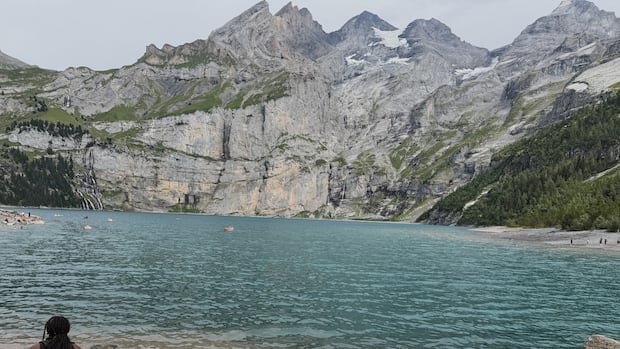
Glacier ice in Switzerland, known for housing the most glaciers in the Alps, saw a 5.5% decline in ice volume this year, marking the second-largest drop on record. This reduction was primarily attributed to heat waves and low snowfall during the winter, according to experts from the GLAMOS Swiss glacier monitoring service and the Swiss Academy of Sciences.
The concerning trend has been escalating in recent years, with a nearly one-fifth decrease in Switzerland’s ice volume over the past five years alone. This report highlights the ongoing impact of global warming on Europe, which is currently the continent experiencing the fastest rate of warming.
Matthias Huss, the head of GLAMOS, emphasized the critical role of winter snowfall in protecting glacier ice. He explained that snow cover serves as a shield against melting and also contributes to creating new ice, underscoring the importance of maintaining adequate snow levels for glacier preservation.
Not only Switzerland but other regions worldwide have also been grappling with the effects of accelerated glacier melting due to global warming. Recent events, such as the collapse of a Himalayan slope in Nepal, further illustrate the far-reaching consequences of climate change on glacier stability and water resources.
The impact of glacier melt extends beyond environmental concerns in Switzerland, as the significant loss of 2.2 trillion liters of water from July to September surpasses the country’s annual water consumption fourfold. With Switzerland being a crucial water source for Europe, sustaining glaciers is vital for maintaining the flow of major rivers like the Danube, Po, Rhine, and Rhone.
Among the glaciers severely affected by melting this year are Allalin, Clarident, Rhone, and Aletsch, the latter being the largest glacier in the Alps. While efforts to stabilize the climate and reduce CO2 emissions are crucial for glacier preservation, Huss expressed concerns that saving Swiss Alps glaciers may be too late. However, he emphasized the urgency of taking action to protect ice sheets in polar regions to mitigate the threat of rising sea levels for coastal communities worldwide.