
The challenges of downsizing and finding new homes for sentimental items

Upon selling her townhouse in Surrey, B.C., earlier this year to move in with family, Susan Masi faced the emotional task of parting with cherished possessions.
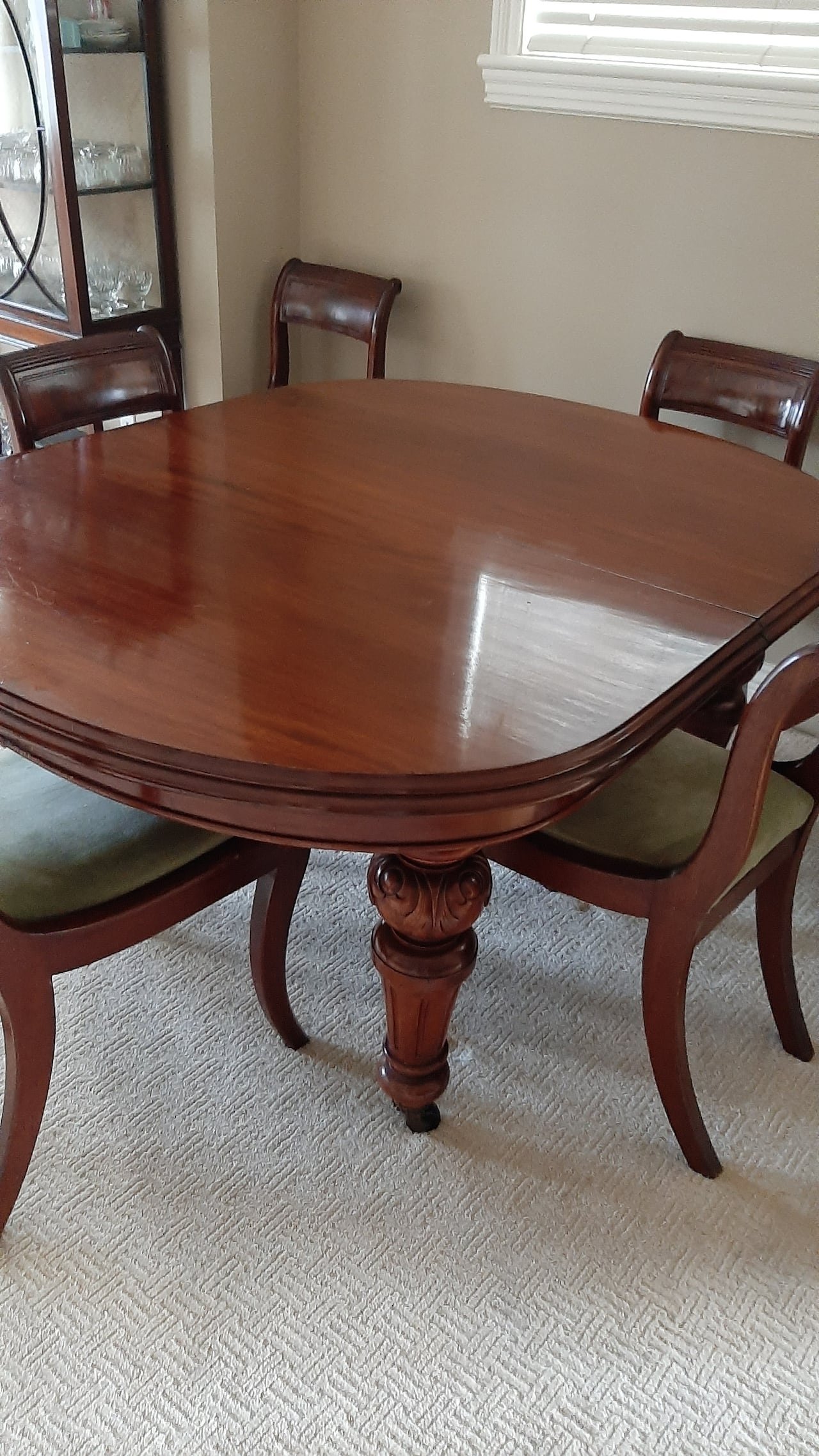
Among them were a China cabinet gifted by her mother upon marriage and a mahogany dining table passed down from her great-grandmother, dating back at least 126 years.
Masi expressed the difficulty in letting go of items rich with memories, stating, “We sat 12 people around that table. It breaks my heart to let it go, but this is the house I’m living in now. There’s no way that it fits,” the 79-year-old widow shared with The Current guest host Rebecca Zandbergen.
Having to part ways with furniture, dinnerware, and trinkets, Masi found herself with very few items left after the downsizing process. “I ended up with hardly any of it. Now I’m in a modern house with two small children,” she lamented.
According to June Cotte, a marketing professor at Western University, the act of parting with cherished possessions can feel like relinquishing a part of one’s identity.
Cotte emphasized the emotional weight of giving away items that hold personal significance, noting that people often struggle to find worthy recipients for their belongings, delaying the decision until it becomes too late.
Citing demographic shifts, a Statistics Canada report indicated that by 2030, one in four Canadians will be aged 65 or older, potentially leading to more individuals facing similar downsizing challenges.
June Cotte recommended having a clear downsizing strategy, particularly for larger items, advising individuals to start the process before any impending move or when they are still alive to ensure a smoother transition of possessions.