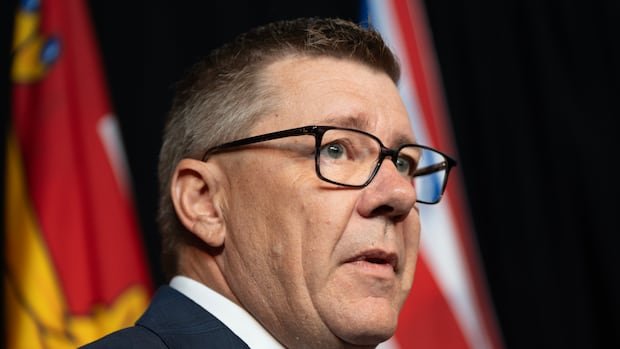
Saskatchewan Premier Scott Moe has declared a retaliatory charge on U.S. alcohol products. Speaking at a news briefing in Prince Albert, Moe announced that starting September 8, Saskatchewan will impose a tariff on American alcohol entering the province, matching the 50 per cent tariff applied by the U.S. on Canadian alcohol exports.
The province clarified that it will implement a “50 per cent markup” on the price of American alcohol sold to retailers. The levy will be collected by the Saskatchewan Liquor and Gaming Authority, not by SLGA.
Despite the trade tension, Saskatchewan will not remove U.S. alcohol from shelves, leaving the decision to purchase these products to consumers. Ottawa recently announced counter-tariffs on $27.6 billion worth of U.S. goods, with additional support of $7.5 billion for workers and businesses.
Premier Moe expressed support for the federal government’s targeted approach in responding to the failed trade negotiations with the U.S. He emphasized that Saskatchewan is bolstering trade relationships beyond North America, with positive outcomes.
The new counter-tariffs will affect around $1.5 billion, representing 11.3 percent of Saskatchewan’s annual imports from the U.S. Moe highlighted that the province is evaluating the impact on jobs and consumer prices in collaboration with affected industries.
Export tariffs on potash and oil are off the table, according to Moe, who stressed that such measures would be detrimental to both industries and could lead to job losses. Negotiations with the U.S. may be necessary in the future, especially considering the significance of Saskatchewan’s potash reserves.
The counter-tariffs have implications for U.S. steel, aluminum, and agricultural equipment. Industries like steel are looking for safeguards to protect jobs. The Agricultural Producers Association of Saskatchewan noted the challenges farmers face due to increased costs for parts and machinery.
Moe mentioned that the province is reviewing the federal government’s support measures to ensure they benefit businesses and workers. While acknowledging the negative impact of tariffs, Moe emphasized the importance of striving for a free and fair trade relationship with the U.S., aiming to return to the negotiating table for a mutually beneficial trade deal.