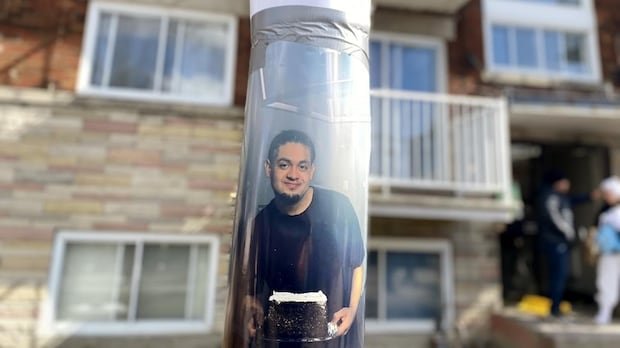
A recent coroner’s report has determined that the death of a 29-year-old man after an encounter with the police was accidental, with the restraint technique used by officers considered a likely contributing factor. Abisay Cruz passed away on March 30, 2025, following an incident that initiated on the back balcony of an apartment in Saint-Michel, Montreal. This incident marked one of two deaths resulting from separate police operations in Montreal within a 12-hour timeframe that weekend, leading to community protests and heightened distrust towards law enforcement.
The coroner’s report highlighted the use of the “hogtie technique” by the police, which involves binding a person’s limbs behind their back while they are lying face-down. According to Coroner Géhane Kamel, Cruz’s demise was attributed to a combination of cocaine intoxication and probable positional asphyxia during the police intervention. Kamel emphasized that the hogtie technique is discouraged and prohibited by many law enforcement and medical organizations due to its association with fatalities in custody and concerns regarding safety and human rights violations.
Kamel’s report revealed that Cruz, described as a caring individual with a close family bond, faced deportation to Honduras in the days leading up to his tragic death, likely causing significant stress. On the fateful day, a distress call reporting a man in crisis, later identified as Cruz, near Pie-IX Boulevard and 47th Street prompted police intervention. While police claimed Cruz posed an immediate physical threat, conflicting witness reports suggested he was initially cooperative before the situation escalated. Five police officers were involved in subduing Cruz, with Kamel acknowledging the perceived threat to both the individuals inside the apartment and Cruz himself.
Despite the findings of the independent police watchdog and the decision not to press criminal charges against the officers involved, Kamel raised concerns about the handling of the situation. She criticized the prolonged face-down restraint of Cruz and highlighted the lack of supervision from a police sergeant as Cruz’s condition deteriorated. Kamel recommended banning the hogtie technique, urging the Montreal Police Service to equip officers with naloxone kits and deploy body-worn cameras for crisis interventions or instances requiring force.
Montreal police affirmed their commitment to implementing the recommendations, clarifying that the hogtie technique is not part of the official training provided at the police academy or within the police service. The department emphasized its officers’ training in identifying medical distress signs, especially in cases of intoxication, and prioritizing swift medical aid post-restraint. The response from advocacy groups and experts echoed concerns over the continued use of the controversial technique despite longstanding criticisms and recommendations for its prohibition. Additionally, the report criticized the emergency medical service provider, Urgences-santé, citing recurring service shortages on the day of Cruz’s passing.