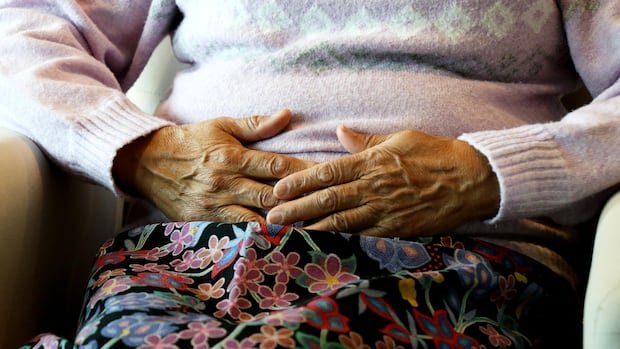
Thousands of Inuit women in Greenland are now eligible for financial compensation due to a controversial Danish birth control initiative that involved the forced insertion of intrauterine devices (IUDs) over several decades. This development has sparked optimism among Inuit women in Canada who have also endured similar mistreatment, with hopes for an official apology from the Canadian government.
The Danish government recently approved a bill to provide compensation, approximately a year after the country’s prime minister expressed regret for the historical birth control program. A joint Greenlandic-Danish inquiry in 2025 revealed that between 1966 and 1991, around 4,000 Greenlandic women and girls, some as young as 12, were subjected to coerced sterilizations, often without their consent.
Naaja Nathanielsen, a Greenlandic member of parliament in the Danish government, emphasized the lasting impact of this dark chapter in history on women throughout the country. She highlighted the enduring trauma caused by these actions, leading to a significant number of women opting for abortions rather than alternative contraception methods, shaping the communities and lives of individuals for generations.
The Danish government’s aim behind the program was to curb birth rates and family sizes on the island. Women who were part of the program and received IUDs are now eligible for a one-time compensation payment of approximately $64,000 CAD. However, some Greenlandic politicians feel that the compensation was delayed, stressing the urgency for timely acknowledgment and redress.
In Canada, the recent legislation passed by the Danish government has instilled hope that the Canadian federal government may follow suit. Over the years, numerous Indigenous women across Canada have been subjected to forced and coerced sterilizations, a practice that continued beyond the 1990s. Reports from various sources have documented instances of imposed sterilization, indicating deliberate efforts through eugenics laws and government policies to limit births in Indigenous communities.
Cecilia Papak, an Inuk woman from Rankin Inlet, shared her experience of being coerced into sterilization after being informed by doctors in the late 1970s that she needed a hysterectomy. Reflecting on the pressure she faced, Papak expressed disappointment in the government’s imposition on individuals’ reproductive choices, highlighting the fear-inducing tactics used to enforce surgical procedures.
Despite the absence of a formal apology from the Canadian government regarding forced and coerced sterilization practices, individuals like Papak hope that the Danish government’s recent actions will prompt Ottawa to acknowledge and address similar injustices with an apology and compensation. Class-action lawsuits have been initiated in Canada, including cases against the federal government, underscoring the legal battles surrounding these violations.
In light of the shared history of forced sterilization in both Greenland and Canada, there is a call for mutual learning and cooperation between the two nations to navigate the path forward. Recognizing the common struggle faced by Indigenous women in both countries, it is deemed crucial to exchange insights and maintain open communication channels to collectively address this global issue.