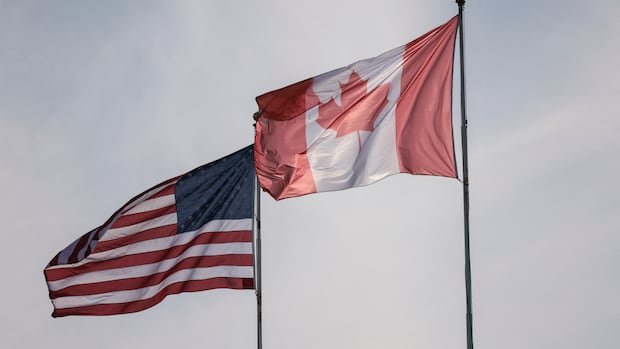
Canada and the United States are currently engaged in a severe trade dispute with potentially significant repercussions. Following the breakdown of trade talks last week, the U.S. implemented tariffs of 50% on $27.6 billion worth of Canadian goods. In retaliation, Prime Minister Mark Carney announced plans for equivalent counter-tariffs on $27.6 billion of U.S. products, scheduled to come into effect on September 8.
President Donald Trump has also threatened additional tariffs, potentially doubling the levies on Canadian automobiles, trucks, auto parts, and steel from 25% to 50%, set to be enforced starting January 1, 2027. Both sides are showing no signs of backing down, raising concerns about the escalating situation’s impact on Canadians. Ottawa has introduced a $7.5 billion relief package to support workers and businesses affected by the new tariffs.
As tensions rise, journalists Willy Lowry, Katie Simpson, and Paul Hunter explore the severity of the ongoing trade war and the prospects for resolving the conflict. The dispute’s consequences are expected to hit hard, with small to medium-sized businesses, particularly in one-employer towns, likely to bear the brunt. The impact could lead to economic hardships for many Canadians, prompting concerns about mortgage payments, childcare, and educational expenses.
The prolonged standoff between the two countries raises uncertainties about the future, as discussions on de-escalation remain elusive. The Canadian government may need to enhance social support programs to assist those facing potential job losses or reduced work hours. With the trade war intensifying, the resilience of both nations’ economies is being put to the test, emphasizing the importance of finding a resolution to prevent further economic strain on Canadian companies and workers.