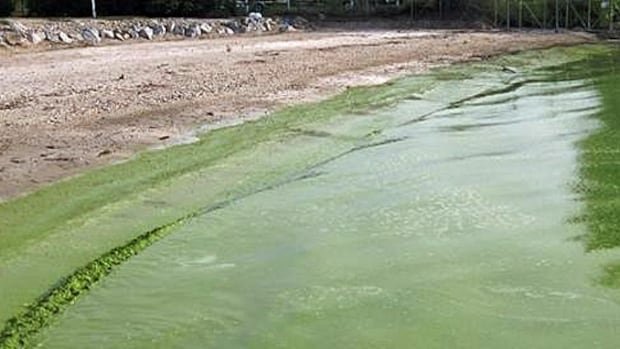
A team of researchers in Alberta is closely monitoring blue-green algae across the region, offering the public access to real-time updates via a newly launched website. The Algal Bloom Tracker enables users to monitor toxic algal blooms at six lakes through a combination of satellite imagery and lake sampling. This allows users to view results conveniently on a user-friendly map.
According to Rolf Vinebrooke, a professor of aquatic ecology at the University of Alberta and one of the researchers involved in the project, the map is regularly updated using satellite images of Alberta lakes. Vinebrooke highlighted the importance of satellite imagery in providing a comprehensive view of the entire lake, aiding in identifying the nature of the bloom and determining areas to avoid.
Blue-green algae, also known as cyanobacteria, can proliferate in nutrient-rich Alberta lakes during the summer months. Apart from forming distinctive green scum in water, these blooms pose health risks due to the potential production of toxins that can harm liver tissue and interfere with nerve impulses if ingested.
The Algal Bloom Tracker is currently operational for six lakes, including Ethel Lake, Lac La Biche, Nakamun Lake, Pigeon Lake, Sylvan Lake, and Wabamun Lake. These lakes were selected to represent a range of bloom frequencies, from Sylvan Lake with rare blooms to Lac La Biche with frequent occurrences. The team aims to expand the tracker to approximately 50 lakes across Alberta within the next three years.
When excessive blue-green algae levels are detected, Alberta Health Services issues health advisories, with more than 25 currently in effect across the province. These advisories recommend avoiding contact with affected water bodies to prevent health risks associated with the toxins produced by the algae.
The Algal Bloom Tracker operates independently from Alberta Health Services, providing a proactive tool for the public to make informed decisions about recreational activities on lakes. By leveraging historical satellite data, researchers aim to better understand the trends and impacts of blue-green algae blooms in Alberta’s lakes.
The Algal Bloom Tracker project website also emphasizes the importance of understanding harmful algal blooms to mitigate negative impacts on recreation, tourism, real estate, and Indigenous communities in Alberta.