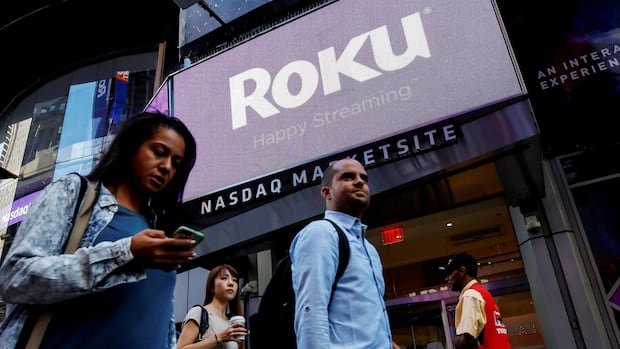
Artificial intelligence has ventured into the realm of television programming with the launch of its own dedicated channel on the Roku Channel streaming platform. Fairground AI Creator TV, which offers round-the-clock AI-generated content for free, quietly joined Roku’s lineup without an official announcement from the company. Nevertheless, the introduction of the channel has sparked mixed reactions among viewers, with some expressing dissatisfaction at the concept.
Critics like Frank Landymore from Futurism and Bradly Shankar from MobileSyrup have voiced their disapproval of the channel, describing it as a continuous stream of uninspired AI content. Despite the backlash, Fairground AI remains committed to its vision of providing a fast and free ad-supported streaming television experience.
While Fairground AI is not currently available among the approximately 200 FAST channels on the Roku Channel in Canada, the company has not disclosed any plans for its expansion to the Canadian market. Roku’s strategic move to incorporate AI-generated content aligns with the broader trend of AI’s increasing presence across various entertainment platforms.
Roku’s recent acquisition by Fox for $22 billion US underscores its status as a leading player in the global streaming industry. The rise of AI-generated content is evident not only in television but also in other sectors such as film and toy manufacturing. Despite the skepticism surrounding AI content, Fairground AI’s CEO, Colin Petrie-Norris, remains optimistic about the channel’s potential and compares its evolution to that of YouTube creators who have transformed into mainstream industry figures.
The decision to introduce an AI channel on Roku reflects a broader shift towards cost-effective content delivery and increased platform engagement. While the concept of AI-generated content raises concerns about creative control and economic implications, the industry continues to explore the integration of AI in entertainment production.
Questions surrounding AI’s impact on traditional creative processes and economic structures remain unresolved, prompting calls for increased regulation and oversight. The intersection of AI and entertainment poses complex challenges that require a balanced approach to ensure the protection of artists’ rights and sustainable cultural practices in the evolving digital landscape.